
World War I Memorials are spread throughout northern France and are popular and much gone to. So it comes as a surprise to find out that brand-new websites and brand-new memorials from World War I are still being found and developed, almost a century after ‘the war to end all wars.’ If it ever will be, the history of World War I has actually not yet been definitively composed and it is uncertain. There is a genuine obsession to come and comprehend to terms with World War I which has actually not declined with time. It originates from the sensation that we must always remember such a terrible war however it’s likewise quite due to both worldwide and regional research study.
The primary fights of World War I were combated around Ypres in Belgium and a trip of World War I field of honor typically begins there. However there’s plenty to see more south in France around the appealing towns in the location. The discovery of 250 bodies around Fromelles has actually caused a brand-new cemetery; there’s a brand-new memorial presently being built to Wilfred Owen, the poet who caught the ‘Pity of War’, and one person who declined to quit in his look for a World War I tank now shows the Mark IV weapon in a barn at Flesquière.
Area
This mini-tour of 3 brand-new World War I websites takes you from Lille southwest to Fromelles, south to Flesquières and after that east to Ors. You can quickly do this in a day from Lille, Arras or Cambrai.
Fromelles (Pheasant Wood), a New World War I Cemetery
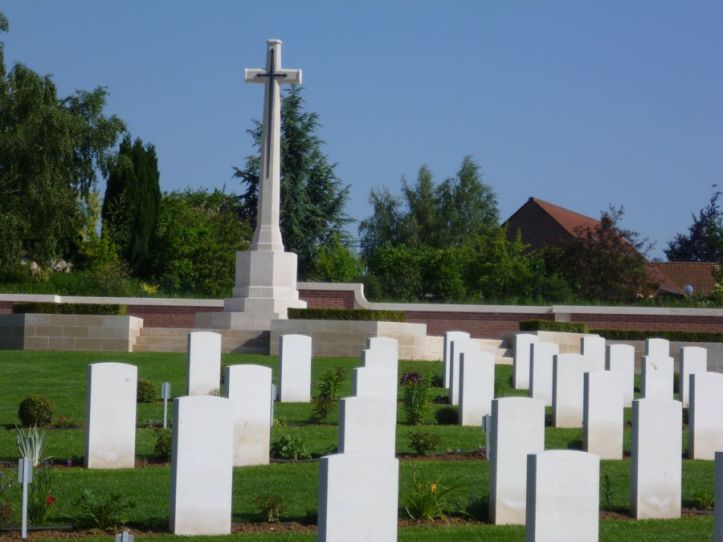
Fromelles is a little town around 11 miles (18 kilometers) southwest of Lille off the N41 towards Lens. En route into the town, stop at the memorial to the Australians who passed away in the Fight of Fromelles. Drive past the striking statue of one soldier bring a hopelessly injured pal, honoring the varieties of Australians eliminated here and continue to the brand-new War Cemetery in Fromelles. This is the very first brand-new cemetery constructed by the Commonwealth War Graves Commission in 50 years and it marks the fight of July 19th, 1916. The headstones, organized in the required stringent military rows, are white and intense and the memorial entryway is of clever, unweathered red brick. After seeing older cemeteries with their mellowed headstones, flowers and trees, Fromelles (Pheasant Wood) War Cemetery comes as a little a shock.
The Fight of Fromelles was the very first significant World War I fight on the Western Front including Australian soldiers and it was a catastrophe, made especially raw for the soldiers by the reality that this was a simple sideshow to the Fight of the Somme. The fifth Australian Department suffered big losses: 5,533 eliminated, injured, taken detainee or missing out on. The 61st British Department suffered 1,547 losses. At Fromelles it is thought that 1,780 Australians and 500 British soldiers passed away.
While a lot of the bodies from the fight were buried years back in neighboring serene cemeteries like VC Corner and Rue Pétillon, the discovery of 250 bodies in a mass tomb in Pheasant Wood in September 2009 by the professional business, Oxford Archaeology, was a big development in the look for more of the dead of World War I. It was instantly clear that a brand-new cemetery needed to be built.
The recognition of the bodies has actually been a remarkable procedure of forensic investigator work, including DNA from remote family members and a substantial research study effort dealing with organizations like the Imperial War Museum in London.
The remains of the dead were re-buried formally in Fromelles Armed force Cemetery in January and February 2010. On July 19th, 2010, the Cemetery formally opened, marking the 94th anniversary of the Fight.
A World War I Tank Exposed 90 Years Later On
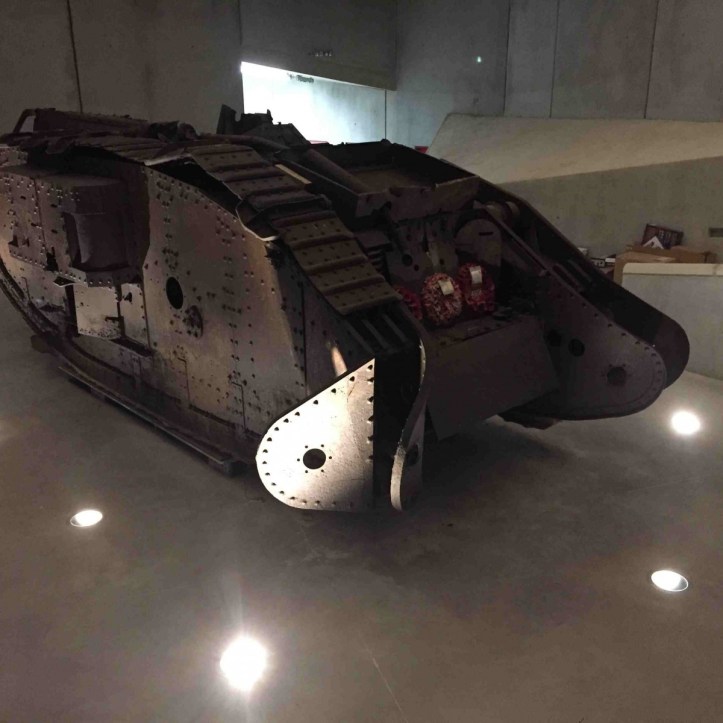
From Fromelles, a drive south of 50 miles (84 kilometers) takes you around Arras and Cambrai to the little town of Flesquières, deep in farming nation.
For 6 years, Philippe Gorczuynski, a regional hotel historian, owner, and author, looked for a tank which a senior woman had actually kept in mind being pressed by Russian detainees into a substantial hole near the café her household ran. In addition to expert aid, he ultimately found the tank, Mark IV Deborah, in 1998 and had it collected.
This was simply the start of the story as he started to research study into the lives of those who passed away in the tank throughout the crucial Fight of Cambrai, November 20th, 1917 which included 475 British tanks. It was the very first test for this brand-new type of weapon which was to have such a definitive result on modern-day warfare.
Philippe Gorczuysnki purchased a barn in the town and set up the tank there with a little personal museum in a little adjacent structure. Deborah stood in the barn, separated, damaged and partially ruined. Interest collected and now Deborah is set up in a brand-new museum next to the Commonwealth War Tomb in Flesquières.
The tank stands in all her battered heroism in a specifically built below-ground chamber. Around her are the stories of her discovery and her previous presence which are a terrific mix – a tale of heroism on the battleground and a contemporary investigator story of how he found the tank and investigated the lives – and deaths – of its residents.
The Last Hours of World War I Soldier-Poet, Wilfred Owen
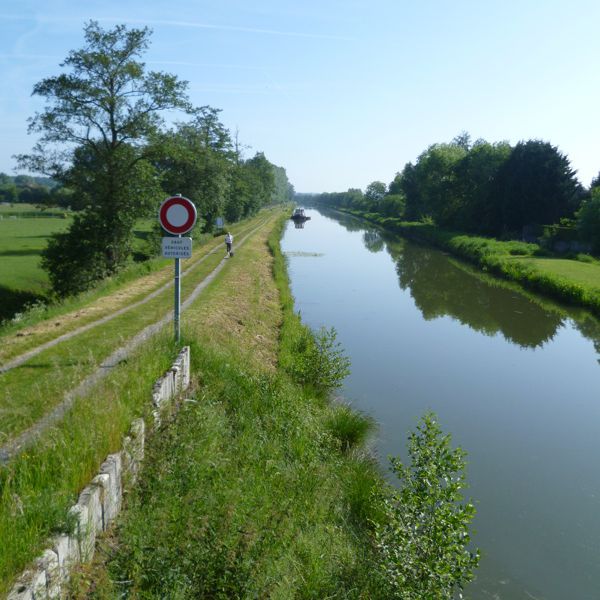
Wilfred Owen, the English poet whose poetry about WWI had such an effect at the time and is still so expressive today, is buried in the cemetery of Ors, a little town near Le Cateau-Cambresis. It’s around 28 miles (45 kilometers) east of Flesquières, driving by means of Cambrai.
The soldier-poet invested his last night with his fellow soldiers simply outside the town in the dank and dark basement of the Forester’s Home. Part of the Army encampment, this little red-brick home is presently being changed in an especially creative method into a monolith to the poet. Everything began with the efforts of the regional mayor who, curious about the variety of English who pertained to the town requesting for details on the poet, called the Wilfred Owen Society a couple of years back. He was so captivated by the story and impressed by Wilfred Owen’s track record and his poetry that he started to lobby for a memorial. 1 million euros were raised and the memorial opened in fall 2011.
In the town itself, there’s an indication next to the canal where the poet was shot, simply 5 days prior to completion of the war. The skirmish occurred where the roadway crosses the bridge over the slow-moving water. Even more on the Wilfred Owen Library has a little area of books on the war and the poet. From here, it’s a brief drive to the cemetery – not a big, main War Cemetery, however a tranquil, regional one with a British corner committed to the soldiers who passed away here.
Every year, on November fourth, the town holds a memorial performance in the church and a reading of his poetry. It’s called The Wilfred Owen Memorial.
 Food Travel Worlds